
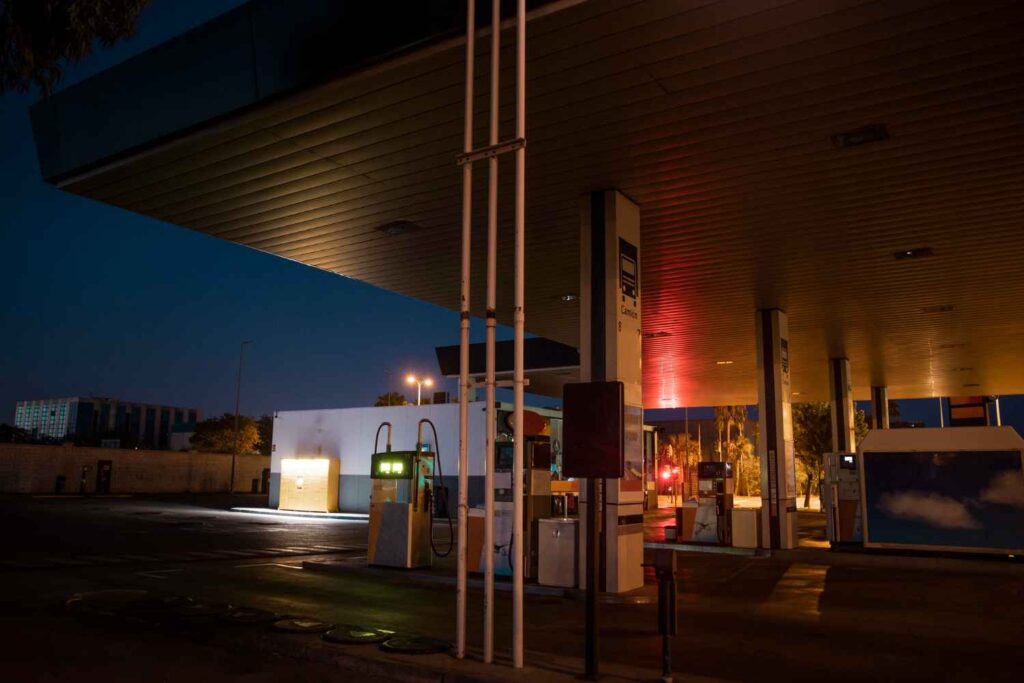
Fuel Station Management can feel like a constant balancing act. Are fuel margins getting tighter? Are staffing issues slowing down operations? Is inventory disappearing faster than it should? If you’re a gas station owner or operator, these challenges probably sound familiar.
Running a successful fuel station today is about much more than selling gasoline. The most profitable stations focus on customer experience, inventory control, operational efficiency, convenience store sales, and smart business decisions that improve both revenue and customer loyalty.
The good news? Small improvements can often lead to significant gains.
Let’s look at practical fuel station management strategies that can help boost profits while making daily operations run more smoothly.
Why Fuel Station Management Matters More Than Ever
The fuel retail industry continues to evolve.
Today’s customers expect:
- Fast service
- Clean facilities
- Competitive fuel prices
- Well-stocked convenience stores
- Secure payment options
- Friendly staff
At the same time, station owners face rising operating costs, labor challenges, and fluctuating fuel prices.
Effective fuel station management helps owners:
- Improve profitability
- Reduce losses
- Increase customer retention
- Improve employee performance
- Maintain compliance
- Strengthen overall operations
The stations that consistently perform well are usually the ones that focus on operational excellence every day.
Prioritize Inventory Control
One of the fastest ways to improve profitability is through tighter inventory management.
Inventory shrinkage can quietly eat away at profits.
Focus on These Areas:
- Daily inventory reconciliation
- Fuel inventory monitoring
- Convenience store stock tracking
- Expiration date management
- Vendor delivery verification
Quick Example
A station owner noticed snack inventory consistently running short. After implementing weekly cycle counts and reviewing delivery receipts more carefully, losses dropped significantly within a few months.
Sometimes the biggest profit improvements come from fixing small leaks.
Improve Convenience Store Sales
Many fuel retailers make more profit inside the store than at the pump.
A strong convenience store strategy can dramatically improve revenue.
Best-Selling Categories Often Include:
- Beverages
- Coffee
- Energy drinks
- Fresh food
- Snacks
- Tobacco products (where permitted)
- Automotive supplies
Increase Basket Size
Try:
- Product bundles
- Checkout promotions
- Seasonal displays
- Limited-time offers
- Loyalty rewards
Customers who come in for fuel often make impulse purchases when products are displayed effectively.
Focus on Customer Experience
People have choices when deciding where to fuel up.
Customer experience plays a bigger role than many owners realize.
Simple Improvements That Matter
- Clean pumps
- Clean restrooms
- Well-lit parking areas
- Friendly greetings
- Fast checkout
- Stocked shelves
Coffee Shop Conversation Example
Think about two stations across the street from each other.
One has dirty pumps, overflowing trash cans, and long checkout lines.
The other is spotless, organized, and welcoming.
Even if fuel prices are similar, most customers will return to the cleaner station.
Train Employees for Operational Success
Great employees can transform station performance.
Unfortunately, many owners only train staff on basic tasks.
Strong training programs should cover:
Customer Service
- Greeting customers
- Upselling promotions
- Resolving complaints
- Maintaining professionalism
Operational Procedures
- Fuel safety
- Inventory checks
- Cash handling
- Store cleanliness
- Emergency procedures
Employees who understand expectations often perform better and stay longer.
Use Data to Drive Better Decisions
Successful fuel station management relies on numbers, not guesses.
Track important metrics such as:
- Fuel sales volume
- Gross profit margins
- Convenience store sales
- Average transaction value
- Labor costs
- Inventory shrinkage
- Customer traffic patterns
Reviewing these numbers regularly helps identify opportunities before they become problems.
Optimize Fuel Pricing Strategies
Fuel pricing can directly impact traffic and profitability.
The goal isn’t always to be the cheapest station.
Instead, focus on:
- Local market pricing
- Competitor analysis
- Margin protection
- Volume goals
- Promotional opportunities
Many successful operators balance competitive pricing with strong in-store sales strategies.
Strengthen Fuel Station Security
Security protects both revenue and employees.
Important Security Measures
- High-quality surveillance systems
- Proper lighting
- Secure cash handling procedures
- Employee safety training
- Fraud prevention practices
Security investments often pay for themselves by reducing losses and improving customer confidence.
Improve Forecourt Appearance
Your forecourt is the first thing customers see.
A clean and inviting station creates a positive impression.
Regularly inspect:
- Fuel dispensers
- Trash containers
- Parking areas
- Signage
- Landscaping
- Air and vacuum stations
Small details influence customer perceptions more than most operators realize.
Leverage Loyalty Programs
Loyalty programs can increase repeat business and customer retention.
Consider offering:
- Fuel discounts
- Reward points
- Free beverages
- Special promotions
- Mobile app rewards
Customers are more likely to return when they feel rewarded for their purchases.
Stay Compliant with Industry Regulations
Compliance is a critical part of fuel station management.
Areas requiring attention include:
- Environmental regulations
- Fuel storage requirements
- Employee safety standards
- Payment security compliance
- Fire prevention protocols
Regular audits and inspections can help avoid costly penalties.
Adopt Technology That Simplifies Operations
Modern fuel stations are becoming increasingly technology-driven.
Helpful tools include:
Operations Technology
- Point-of-sale systems
- Inventory management software
- Fuel monitoring systems
- Workforce scheduling tools
- Mobile payment solutions
Business Benefits
- Faster reporting
- Better inventory control
- Reduced labor costs
- Improved customer experience
Technology should make life easier, not more complicated.
Build Relationships Within the Community
Many successful stations become neighborhood staples.
Ways to strengthen local relationships include:
- Supporting local events
- Sponsoring community programs
- Partnering with nearby businesses
- Participating in charity initiatives
Customers often prefer supporting businesses that invest in their communities.
Frequently Asked Questions
What is fuel station management?
Fuel station management involves overseeing fuel sales, convenience store operations, inventory control, staffing, customer service, safety, and profitability.
How can fuel stations increase profits?
Stations can improve profits by optimizing fuel pricing, reducing inventory shrinkage, increasing convenience store sales, improving customer retention, and controlling operating expenses.
Why are convenience stores important for gas stations?
Convenience stores often generate higher profit margins than fuel sales and play a major role in overall station profitability.
What technology helps fuel station operations?
Modern POS systems, fuel monitoring software, inventory management platforms, mobile payment systems, and workforce scheduling tools can improve efficiency.
How can station owners reduce inventory losses?
Regular inventory counts, delivery verification, employee accountability, surveillance systems, and strong inventory management procedures can significantly reduce losses.
Final Thoughts
Successful Fuel Station Management isn’t about one major change. It’s about consistently improving operations, controlling costs, training employees, serving customers well, and using data to make smarter decisions. Whether you’re managing a single location or multiple sites, focusing on these best practices can help increase profitability, improve efficiency, and create a better experience for customers and employees alike. The most successful operators understand that strong Fuel Station Management is the foundation of long-term growth and sustainable profits.
