
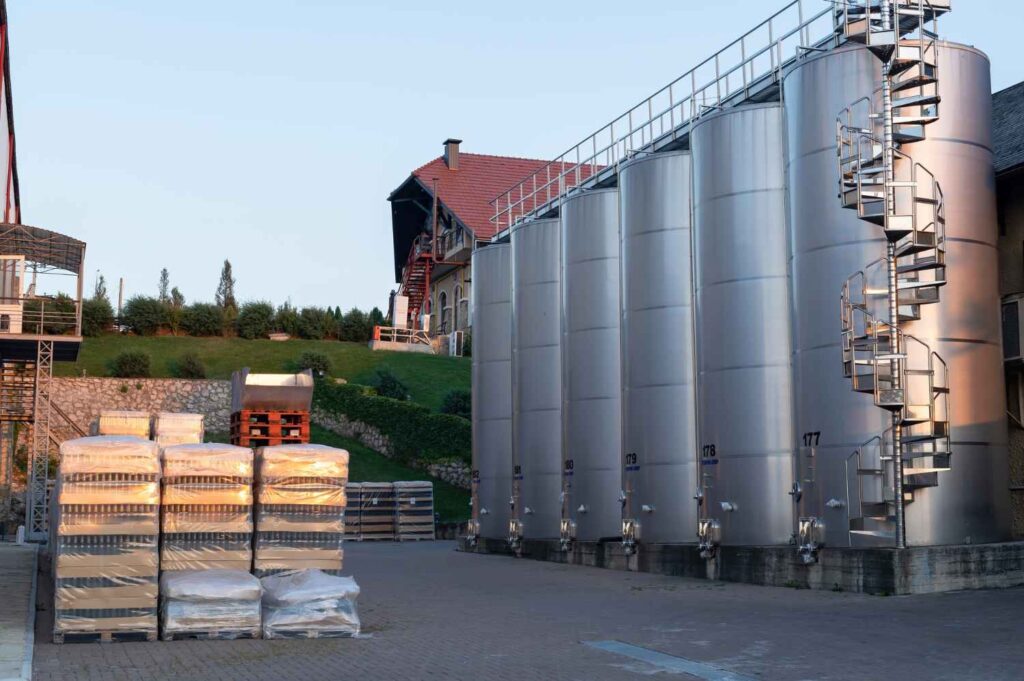
Bulk Fuel Logistics is changing faster than ever as fuel distributors, retailers, and transportation companies face growing pressure to deliver fuel more efficiently, safely, and cost-effectively.
Are Fuel Deliveries Becoming More Complex?
Have you noticed fuel prices changing more often? Wondered how gas stations stay supplied despite supply chain disruptions, severe weather, and fluctuating demand?
You’re not alone.
For fuel distributors and retailers, the challenge isn’t just moving fuel from Point A to Point B anymore. Today’s fuel supply chain requires smarter planning, better visibility, and faster decision-making than ever before.
As we move through 2026, several major trends are reshaping the future of bulk fuel logistics, helping companies improve reliability while controlling costs.
Let’s take a closer look.
Why Bulk Fuel Logistics Matters More Than Ever
Every gallon of fuel delivered to a gas station, fleet operator, construction site, or industrial facility depends on a highly coordinated logistics network.
Effective bulk fuel logistics impacts:
- Fuel availability
- Transportation costs
- Inventory management
- Customer satisfaction
- Regulatory compliance
- Profitability
A single delayed delivery can create operational headaches for retailers and commercial customers alike.
That’s why companies are investing heavily in technology, automation, and data-driven fuel management systems.
Trend #1: Real-Time Fleet Tracking Is Becoming Standard
One of the biggest changes in fuel transportation is the widespread use of GPS tracking and telematics systems.
Fuel distributors can now monitor:
- Truck locations in real time
- Driver performance
- Delivery schedules
- Fuel consumption
- Route efficiency
Real-World Example
Imagine a tanker truck transporting gasoline to multiple retail fuel locations.
Instead of relying on phone calls and manual updates, dispatchers can instantly see where the truck is, identify delays, and notify customers proactively.
This improves customer service while reducing unnecessary downtime.
Benefits of Real-Time Tracking
- Faster deliveries
- Lower transportation costs
- Better route planning
- Increased visibility
- Improved customer communication
Trend #2: Smarter Route Optimization Saves Time and Money
Fuel delivery routes are becoming increasingly sophisticated.
Modern route optimization software analyzes:
- Traffic patterns
- Weather conditions
- Delivery priorities
- Driver schedules
- Fuel inventory levels
The result?
Fuel companies can complete more deliveries with fewer miles driven.
Why This Matters
Even small reductions in mileage can lead to significant savings across an entire fleet.
Benefits include:
- Reduced fuel expenses
- Lower vehicle wear and tear
- Improved delivery accuracy
- Reduced carbon emissions
For large fuel distributors, these savings can add up to hundreds of thousands of dollars annually.
Trend #3: Bulk Fuel Management Is Becoming More Automated
Manual inventory checks are quickly becoming a thing of the past.
Today’s bulk fuel management systems use sensors and cloud-based monitoring tools to track fuel levels automatically.
What Automated Fuel Management Provides
- Real-time tank monitoring
- Inventory forecasting
- Low-fuel alerts
- Automated reporting
- Theft and loss detection
Coffee Shop Conversation Example
Think about checking your home’s thermostat from your phone.
Fuel managers can now monitor storage tanks in much the same way, knowing exactly when fuel needs replenishment before shortages occur.
This proactive approach reduces emergency deliveries and improves operational efficiency.
Trend #4: Data Analytics Is Driving Better Decisions
Data is becoming one of the most valuable assets in the fuel industry.
Fuel companies are using analytics to understand:
- Seasonal demand trends
- Delivery performance
- Customer purchasing behavior
- Terminal utilization
- Transportation costs
Key Benefits of Fuel Analytics
Better Forecasting
- Predict demand more accurately
Improved Inventory Planning
- Avoid stockouts and overstock situations
Higher Profitability
- Optimize resources and reduce waste
Companies that leverage data effectively are gaining a significant competitive advantage in the retail fuel market.
Trend #5: Gasoline Distribution Terminals Are Becoming More Efficient
Gasoline distribution terminals remain a critical part of the fuel supply chain.
These facilities serve as central hubs where fuel is stored before being transported to retail stations and commercial customers.
Modern terminal upgrades include:
- Automated loading systems
- Enhanced safety controls
- Digital inventory tracking
- Faster truck turnaround times
- Improved environmental monitoring
Why Terminal Efficiency Matters
When gasoline distribution terminals operate efficiently:
- Deliveries move faster
- Fuel shortages decrease
- Transportation costs decline
- Retail fuel locations stay supplied
Terminal modernization is expected to remain a major industry focus throughout 2026 and beyond.
Trend #6: Sustainability Is Influencing Fuel Logistics
Environmental responsibility is becoming increasingly important across the fuel industry.
Many companies are implementing initiatives such as:
- Route optimization to reduce emissions
- Idle reduction programs
- Fuel-efficient fleet vehicles
- Alternative energy investments
- Improved fuel storage practices
While traditional fuels remain essential, sustainability efforts are helping businesses reduce costs while meeting environmental expectations.
Trend #7: Improved Supply Chain Resilience
Recent years have shown how vulnerable supply chains can be to disruptions.
Weather events, geopolitical challenges, labor shortages, and market volatility have encouraged fuel companies to strengthen their logistics operations.
Strategies Fuel Companies Are Using
- Diversified supply sources
- Improved forecasting tools
- Increased inventory visibility
- Backup transportation plans
- Enhanced communication systems
The goal is simple: keep fuel flowing even during unexpected disruptions.
What the Future Holds for Bulk Fuel Logistics
The future of bulk fuel logistics will be driven by three key factors:
Technology
Smarter systems will improve visibility and operational efficiency.
Automation
Manual processes will continue to be replaced by intelligent software and monitoring tools.
Data
Better insights will help fuel distributors make faster, more profitable decisions.
Companies that embrace these changes will be better positioned to meet customer expectations and compete in an increasingly complex market.
Frequently Asked Questions (FAQs)
What is bulk fuel logistics?
Bulk fuel logistics refers to the transportation, storage, management, and distribution of large quantities of fuel from terminals and storage facilities to retail stations, commercial customers, and industrial operations.
Why is bulk fuel logistics important?
It ensures fuel is delivered safely, efficiently, and reliably while minimizing costs and maintaining supply chain stability.
How does route optimization improve fuel delivery?
Route optimization software identifies the most efficient delivery routes, reducing mileage, fuel consumption, delivery times, and operating expenses.
What role do gasoline distribution terminals play?
Gasoline distribution terminals serve as storage and distribution hubs that supply fuel to gas stations, fleet operators, and commercial customers.
How does bulk fuel management improve operations?
Bulk fuel management systems provide real-time monitoring, inventory tracking, forecasting, and reporting, helping companies reduce waste and improve efficiency.
What trends are shaping fuel logistics in 2026?
Key trends include real-time tracking, automation, route optimization, advanced analytics, terminal modernization, sustainability initiatives, and stronger supply chain resilience.
Final Thoughts
As technology, automation, and customer expectations continue to evolve, businesses that invest in smarter systems will gain a significant advantage in the fuel industry. From advanced bulk fuel management platforms to modern gasoline distribution terminals, the future belongs to organizations that embrace innovation, improve visibility, and strengthen their supply chains. Bulk Fuel Logistics remains the foundation of efficient fuel delivery and will continue to shape the industry’s future for years to come.
