
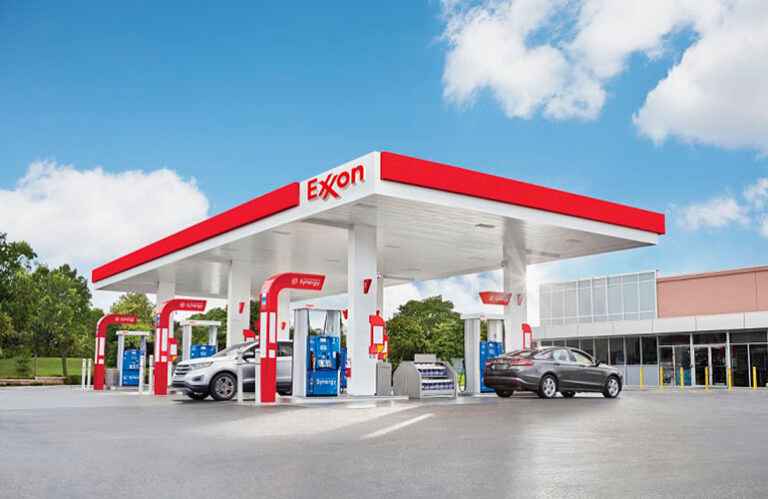
ExxonMobil fuel distributors are in a strange spot right now. On one side, you’ve got fleets asking how to cut emissions. On the other side, customers still depend on diesel, gasoline, and lubricants every single day. So people keep asking the same questions: “Can traditional fuel distributors stay relevant in a clean-energy future?” and “How fast should we actually expect this transition to happen?”
If you’ve wondered the same thing, you’re not alone. And honestly, the reality is simpler than it looks.
Let’s break it down like two friends talking over coffee.
The Big Shift: Why the Clean-Energy Trend Isn’t Leaving Fuel Behind Yet
Even with EVs and alternative fuels growing, America still relies heavily on liquid fuels. Construction, trucking, agriculture, aviation, and marine fleets aren’t flipping fully electric anytime soon.
That’s exactly where ExxonMobil fuel distributors are stepping up.
They’re winning because they’re doing three smart things:
-
Upgrading supply chains so fuels stay cleaner, more efficient, and more regulated.
-
Adding low-carbon solutions like renewable diesel, advanced lubricants, and cleaner-burning fuels.
-
Helping fleets transition at a realistic pace, not an overnight jump.
A lot of distributors are becoming hybrid energy partners, not just fuel sellers.
How ExxonMobil Fuel Distributors Fit Into the Clean-Energy Puzzle
Most people think “clean energy” means abandoning fuel entirely. But in real-world America, the transition is more like stair steps than a giant leap.
Here’s how distributors are making those steps easier:
1. Cleaner Fuel Options That Don’t Disrupt Operations
Many US fleets can’t afford downtime or big vehicle replacement costs.
So distributors are offering:
-
Ultra-low sulfur diesel
-
Renewable diesel blends
-
Advanced Synergy gasoline
-
Next-gen Mobil lubricants that reduce engine emissions
It’s like upgrading without ripping out the engine.
2. Helping Companies Cut Costs While Cutting Emissions
This part usually surprises people.
Switching to cleaner fuel sometimes saves money, because modern formulations burn cleaner and extend engine life.
Distributors help fleets track:
-
Fuel consumption
-
Idle time
-
Maintenance cycles
-
Emission reduction progress
A trucking company in Oklahoma recently said they saved thousands on maintenance just by switching to cleaner-burning Mobil lubricants. No new trucks. No EV headaches.
3. Reliable Delivery in a Time When Supply Chains Are Shaky
This is where ExxonMobil’s network shines.
During the last few years of supply-chain chaos, many small fuel suppliers couldn’t keep up. ExxonMobil distributors leaned on:
-
Bigger storage facilities
-
Better route planning tech
-
Consistent supply agreements
-
Partnerships with local transport teams
In short: while others struggled, they delivered.
The Real Reason They’re Winning: Flexibility + Trust
Ask any fleet manager in Texas, Florida, the Midwest, or the East Coast, and you’ll hear the same story:
“We need a partner who can support us today AND tomorrow.”
That’s the sweet spot.
ExxonMobil fuel distributors offer:
-
Traditional fuels for current operations
-
Cleaner options to prep for future regulations
-
Data tools to monitor efficiency
-
Experts who help businesses phase in changes, not force them too fast
It’s like having a guide who knows the road ahead but doesn’t expect you to run before you’re ready.
What This Means for the Future
Clean energy isn’t about flipping a switch—it’s about evolving. And distributors who understand both worlds are the ones staying ahead.
ExxonMobil distributors are building a bridge between today’s fuel needs and tomorrow’s cleaner energy systems. That’s why they’re not just surviving the energy transition; they’re leading it.
FAQs
1. Are ExxonMobil fuel distributors offering renewable energy?
Many now provide renewable diesel blends, cleaner-burning fuels, and low-carbon lubricants designed to reduce emissions without changing your engines.
2. Do fleets need new equipment to switch to cleaner ExxonMobil fuels?
Not usually. Most transitions are drop-in compatible, meaning fleets can use them with their current vehicles.
3. Is ExxonMobil still investing in fuel during the clean-energy push?
Yes. The company is investing in both traditional fuels and new low-carbon technologies, so distributors can support customers on both sides.
4. How do ExxonMobil distributors help fleets lower costs?
Cleaner fuels and advanced lubricants often reduce breakdowns, extend engine life, and improve mileage, which saves money long-term.
5. Why choose ExxonMobil distributors instead of smaller suppliers?
They offer stronger supply networks, higher product consistency, and long-term reliability backed by decades of research and infrastructure.
Final Takeaway
If you’re watching how clean energy is changing the fuel industry, keep an eye on the people adapting fastest. ExxonMobil fuel distributors are winning because they’re practical, flexible, and ready for the future—one realistic step at a time.
