
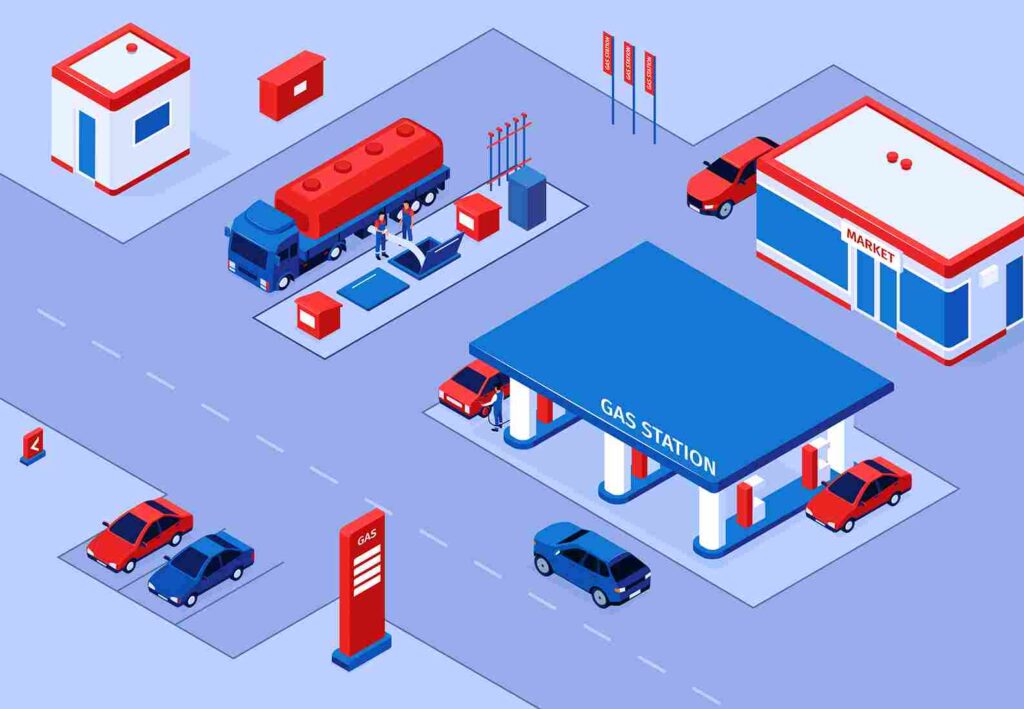
Gasoline Distribution is the backbone of getting fuel from refineries to gas stations, commercial fleets, and businesses across the United States. Understanding how distribution terminals work can help fuel buyers and station owners make smarter purchasing decisions, reduce costs, and avoid supply disruptions.
Ever Wondered Where Your Fuel Actually Comes From?
If you’re a gas station owner or someone responsible for purchasing fuel, you’ve probably asked yourself questions like:
- Why do fuel prices change so often?
- Where does my gasoline come from before it reaches my station?
- How can I avoid delays or fuel shortages?
- What happens when a refinery experiences downtime?
These are real concerns that affect businesses every day.
Most people know fuel comes from a refinery, but there’s an important stop in the journey that often gets overlooked: the gasoline distribution terminal.
Think of it as the central hub that keeps fuel moving efficiently from suppliers to thousands of businesses across the country.
What Is Gasoline Distribution?
Gasoline Distribution is the process of transporting gasoline from refineries through storage terminals before it’s delivered to retail gas stations, commercial customers, municipalities, and industrial users.
The process typically looks like this:
Refinery → Pipeline or Transport → Distribution Terminal → Fuel Delivery Truck → Gas Station or Customer
Every step plays a critical role in ensuring fuel remains available, safe, and ready when customers need it.
What Is a Gasoline Distribution Terminal?
A gasoline distribution terminal is a large storage and loading facility where fuel is received, stored, blended, and loaded onto tanker trucks for final delivery.
These facilities act as regional supply centers.
Rather than every gas station purchasing fuel directly from a refinery, stations receive fuel from nearby terminals that are designed to serve entire regions efficiently.
Inside a typical terminal, you’ll find:
- Large fuel storage tanks
- Pipeline connections
- Truck loading racks
- Fuel quality monitoring systems
- Inventory management technology
- Safety and environmental control systems
These terminals operate around the clock to keep fuel flowing throughout the country.
Why Distribution Terminals Matter
Without distribution terminals, supplying fuel would become much slower, more expensive, and far less reliable.
They help by:
- Keeping fuel readily available
- Reducing transportation costs
- Supporting emergency fuel supplies
- Improving delivery efficiency
- Maintaining fuel quality
- Serving multiple fuel brands from one location
They’re the reason most stations receive fuel quickly, even during busy travel seasons.
How Fuel Moves Through a Distribution Terminal
Let’s simplify the process.
Step 1: Fuel Arrives
Gasoline arrives through pipelines, railcars, barges, or transport trucks.
Large pipelines handle much of the nation’s fuel movement because they’re efficient and capable of transporting large volumes.
Step 2: Fuel Is Stored
The gasoline is transferred into large storage tanks.
Inventory levels are monitored continuously to ensure enough supply is available for customers throughout the region.
Step 3: Additives Are Blended
One interesting fact many people don’t realize is that fuel brands often start with similar base gasoline.
Brand-specific additives are blended into the fuel while it’s being loaded onto tanker trucks.
These additives may improve:
- Engine cleanliness
- Fuel performance
- Corrosion protection
- Deposit control
This is why different brands can offer unique fuel formulations.
Step 4: Tanker Trucks Load Fuel
Drivers arrive with tanker trucks and load the exact products ordered.
Multiple fuel grades can often be loaded during a single visit.
Examples include:
- Regular unleaded
- Mid-grade gasoline
- Premium gasoline
- Diesel fuel
- Ethanol blends
Each delivery is carefully measured before leaving the terminal.
Step 5: Fuel Reaches the Customer
The fuel is delivered directly to:
- Retail gas stations
- Fleet fueling sites
- Commercial businesses
- Construction companies
- Municipal agencies
- Agricultural operations
The final delivery is the part customers see, but much of the coordination happens long before the truck arrives.
Why Fuel Buyers Should Understand Gasoline Distribution
Knowing how Gasoline Distribution works can lead to smarter purchasing decisions.
Benefits include:
- Better inventory planning
- Improved ordering schedules
- Reduced emergency deliveries
- Greater supply reliability
- More accurate budgeting
Understanding the supply chain helps businesses prepare for seasonal demand and unexpected market changes.
How Gas Station Owners Benefit
For station owners, reliable fuel deliveries are essential.
Effective distribution helps them:
Keep Pumps Running
Running out of fuel means lost customers and lost revenue.
Reliable deliveries help avoid empty tanks.
Manage Inventory Better
Ordering fuel too early can increase storage costs.
Ordering too late risks shortages.
Balanced inventory planning improves cash flow and customer satisfaction.
Handle Seasonal Demand
Fuel demand often rises during:
- Summer travel
- Holiday weekends
- Severe weather preparation
- Agricultural harvest seasons
Working closely with fuel suppliers helps station owners prepare for these busy periods.
Technology Is Improving Gasoline Distribution
Today’s fuel distribution systems are much smarter than they were just a decade ago.
Many companies now use:
- Real-time inventory monitoring
- GPS fleet tracking
- Automated dispatch systems
- Route optimization software
- Digital delivery scheduling
- Fuel demand forecasting
These tools help improve delivery accuracy while reducing operating costs.
Factors That Affect Gasoline Distribution
Several factors influence how fuel moves through the supply chain.
Weather Events
Hurricanes, snowstorms, and flooding can delay deliveries and temporarily reduce fuel availability.
Refinery Maintenance
Scheduled refinery maintenance may reduce fuel production for short periods.
Distribution terminals help minimize supply disruptions by maintaining inventory.
Fuel Demand
Travel seasons and economic activity directly affect gasoline consumption.
Higher demand requires more deliveries and careful inventory planning.
Transportation Networks
Pipelines, railroads, highways, and marine transportation all work together to keep fuel moving.
If one transportation method experiences delays, others may help maintain supply.
Common Challenges in Fuel Distribution
Like any supply chain, gasoline distribution faces challenges.
These include:
- Transportation delays
- Equipment maintenance
- Supply shortages
- Rapid price fluctuations
- Weather disruptions
- Increased seasonal demand
Well-managed terminals help reduce the impact of these challenges.
Tips for Fuel Buyers and Station Owners
Here are a few practical ways to improve fuel purchasing decisions:
- Monitor inventory regularly
- Order before tanks become critically low
- Review historical fuel usage
- Build strong relationships with suppliers
- Understand seasonal demand patterns
- Stay informed about market conditions
- Use inventory management software when possible
Small improvements in planning can make a big difference over time.
The Future of Gasoline Distribution
As technology continues to evolve, fuel distribution is becoming faster, more efficient, and more data-driven.
We’re seeing increased use of:
- Predictive inventory planning
- Automated terminal operations
- Smart tank monitoring
- AI-assisted delivery routing
- Digital fuel management platforms
While the fuel industry continues to change, one thing remains constant: reliable distribution terminals will continue to play a vital role in keeping America moving.
Frequently Asked Questions
What is a gasoline distribution terminal?
A gasoline distribution terminal is a storage and loading facility where fuel is received from refineries or pipelines and then loaded onto tanker trucks for delivery to customers.
Why are gasoline distribution terminals important?
They help maintain fuel availability, improve delivery efficiency, reduce transportation costs, and support reliable fuel supplies across large geographic regions.
Do all fuel brands come from different refineries?
Not always. Many brands receive similar base gasoline from the same terminals, with brand-specific additives blended during the loading process.
How does gasoline reach a gas station?
Gasoline typically travels from a refinery through pipelines or transportation networks to a distribution terminal, where tanker trucks load fuel and deliver it to retail stations.
How can station owners improve fuel inventory planning?
They can monitor tank levels, track fuel usage, order proactively, prepare for seasonal demand, and work closely with reliable fuel distributors.
Final Thoughts
Understanding Gasoline Distribution gives fuel buyers and station owners a clearer picture of how fuel moves from refineries to retail locations. Distribution terminals are the vital link that keeps supply chains running smoothly, supports inventory planning, and helps businesses avoid costly disruptions. By learning how these facilities operate and using smarter fuel management strategies, businesses can improve efficiency, reduce costs, and provide dependable service to customers. As the industry continues to embrace technology, Gasoline Distribution will remain essential for delivering reliable fuel across the United States.
