
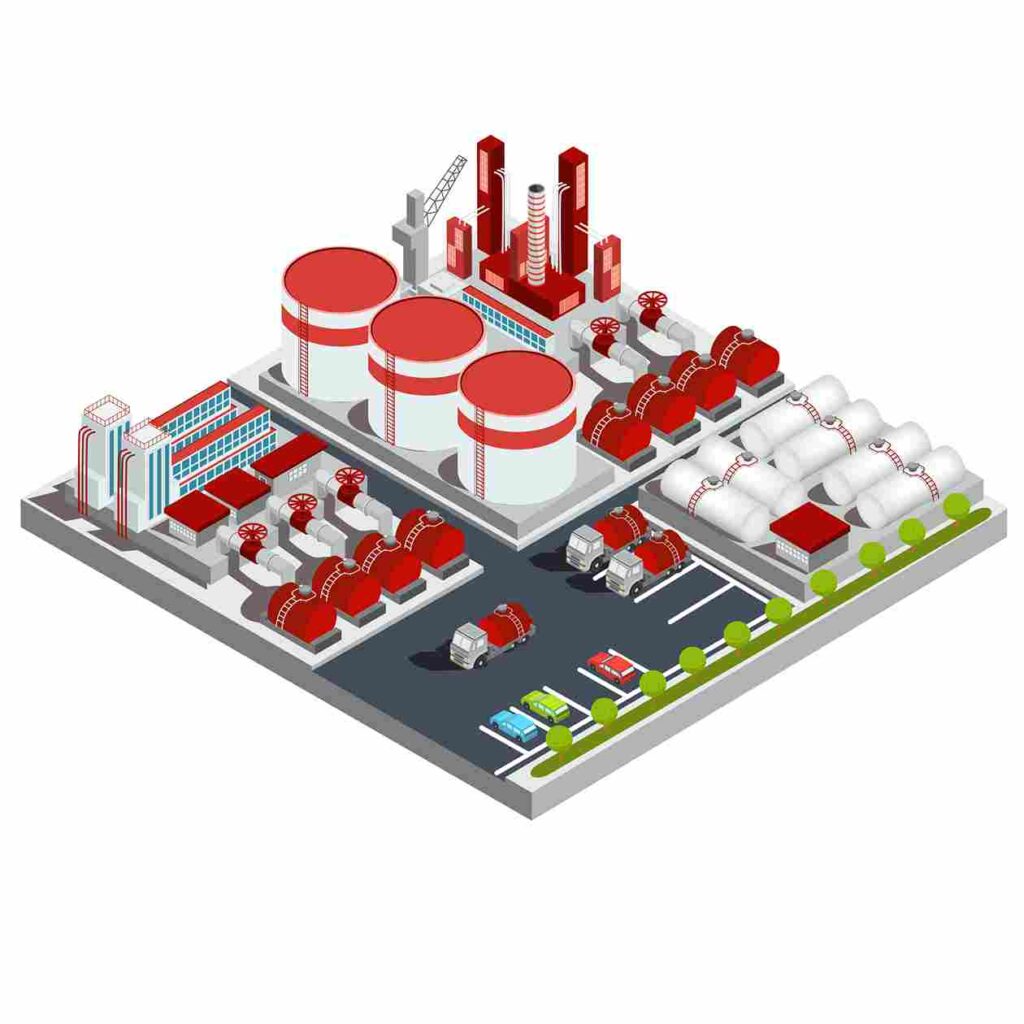
Bulk Fuel Logistics is transforming the way fuel is delivered across the United States. With smarter routing, real-time tracking, and data-driven planning, businesses can reduce costs, improve delivery efficiency, and keep operations running without interruption.
Is Fuel Delivery Becoming More Complicated?
Have you ever wondered why some fuel deliveries arrive exactly on time while others face delays? Or why transportation costs continue to rise even when fuel demand stays steady?
For businesses that rely on fuel every day, these questions matter.
Whether you operate a fleet of trucks, manage construction equipment, oversee a manufacturing plant, or own multiple fuel storage tanks, dependable fuel delivery isn’t just convenient—it’s essential.
The good news is that Bulk Fuel Logistics is changing rapidly. New technology and smarter planning are making fuel transportation faster, more reliable, and more cost-effective than ever before.
What Is Bulk Fuel Logistics?
Bulk Fuel Logistics refers to the planning, transportation, storage, scheduling, and delivery of large volumes of fuel from terminals to businesses and fuel storage locations.
It involves coordinating:
- Fuel suppliers
- Distribution terminals
- Delivery trucks
- Storage tanks
- Drivers
- Delivery schedules
- Inventory management systems
The goal is simple:
Deliver the right fuel to the right location at the right time while keeping costs as low as possible.
Why Bulk Fuel Logistics Matters
Fuel powers nearly every major industry.
Without efficient logistics, businesses may experience:
- Fuel shortages
- Equipment downtime
- Delayed deliveries
- Higher transportation expenses
- Lost productivity
- Increased operating costs
A well-managed logistics strategy keeps fuel flowing smoothly while reducing unnecessary expenses.
Smarter Routes Are Changing Fuel Delivery
One of the biggest improvements in Bulk Fuel Logistics is route optimization.
Instead of drivers following the same delivery schedule every day, software now analyzes multiple factors before selecting the most efficient route.
These include:
- Traffic conditions
- Delivery priorities
- Tank levels
- Customer locations
- Driver availability
- Weather conditions
- Fuel demand
The result?
- Shorter travel times
- Lower fuel consumption
- More deliveries per day
- Reduced transportation costs
It’s similar to using GPS to avoid traffic instead of driving the same route every morning.
Real-Time Tracking Improves Visibility
Modern logistics depends on visibility.
GPS tracking allows dispatchers and customers to know exactly where fuel deliveries are throughout the day.
Real-time tracking provides:
- Delivery status updates
- Estimated arrival times
- Driver location
- Route adjustments
- Delivery confirmation
Businesses spend less time wondering where their fuel is and more time focusing on operations.
Better Inventory Planning Starts With Better Data
Fuel logistics isn’t only about transportation.
It’s also about knowing when fuel should be delivered.
Many companies now use:
- Remote tank monitoring
- Fuel consumption reports
- Historical usage trends
- Inventory forecasting
- Automated refill alerts
Instead of waiting until tanks are nearly empty, businesses can schedule deliveries before shortages occur.
This creates a more reliable fuel supply while reducing emergency deliveries.
Technology Is Driving Lower Costs
Advanced technology continues to reshape fuel logistics.
Today’s fuel distributors often rely on:
- Fleet management software
- Digital dispatch systems
- Electronic delivery tickets
- Cloud-based reporting
- Mobile driver applications
- Automated scheduling
These tools reduce paperwork, improve communication, and eliminate many manual processes that once slowed deliveries.
Lower operating costs often translate into better service for customers.
Fuel Tracking Is Becoming Smarter
Tracking fuel goes beyond knowing where a truck is.
Businesses now monitor:
- Fuel inventory levels
- Consumption rates
- Delivery history
- Tank capacity
- Fuel quality
- Usage by location
These insights help managers make informed purchasing decisions while improving operational efficiency.
Bulk Fuel Logistics Supports Sustainability
Efficiency doesn’t just save money.
It can also reduce environmental impact.
Smarter logistics helps by:
- Reducing unnecessary trips
- Lowering vehicle emissions
- Improving route efficiency
- Minimizing idle driving
- Maximizing truck capacity
When trucks travel fewer miles while delivering more fuel, everyone benefits.
Industries That Depend on Bulk Fuel Logistics
Many industries rely on dependable fuel transportation every day.
These include:
Transportation and Trucking
Fleet operators depend on reliable diesel deliveries to keep vehicles on the road.
Construction
Heavy equipment requires continuous fuel availability to avoid costly project delays.
Agriculture
Farm equipment often experiences seasonal spikes in fuel demand during planting and harvest.
Manufacturing
Production facilities rely on uninterrupted fuel supplies for operations and backup power systems.
Healthcare
Hospitals need dependable fuel deliveries for emergency generators and critical infrastructure.
Municipal Services
Cities depend on bulk fuel for emergency vehicles, sanitation fleets, and public works equipment.
Common Challenges in Bulk Fuel Logistics
Even modern logistics systems face obstacles.
Some common challenges include:
- Traffic congestion
- Driver shortages
- Severe weather
- Fuel demand spikes
- Equipment maintenance
- Supply chain disruptions
Advanced planning and technology help reduce the impact of these issues.
Tips for Businesses Managing Fuel Deliveries
If your business depends on bulk fuel, consider these best practices:
- Monitor fuel inventory regularly
- Track historical fuel usage
- Use remote tank monitoring if available
- Schedule deliveries before tanks become critically low
- Work with experienced fuel suppliers
- Review delivery performance regularly
- Prepare for seasonal demand increases
Good planning often prevents expensive surprises.
What the Future Looks Like
The future of Bulk Fuel Logistics is becoming increasingly automated and data-driven.
We’re seeing growing adoption of:
- Artificial intelligence for route planning
- Predictive demand forecasting
- Smart fuel storage systems
- Digital logistics dashboards
- Automated dispatching
- Connected vehicle technology
These innovations will continue improving delivery accuracy while helping businesses reduce costs and improve customer service.
Frequently Asked Questions
What is Bulk Fuel Logistics?
Bulk Fuel Logistics is the planning, transportation, storage, scheduling, and delivery of large quantities of fuel from distribution terminals to businesses and fuel storage locations.
How does route optimization reduce costs?
It identifies the most efficient delivery routes, reducing travel time, fuel consumption, vehicle wear, and labor costs.
Why is real-time tracking important?
Real-time tracking improves delivery visibility, provides accurate arrival estimates, helps dispatchers adjust routes when needed, and enhances customer communication.
Which industries benefit from Bulk Fuel Logistics?
Transportation, construction, agriculture, manufacturing, healthcare, municipalities, and commercial fuel users all benefit from efficient fuel logistics.
How can businesses improve fuel logistics?
Businesses can monitor inventory, analyze fuel usage, schedule deliveries proactively, use tank monitoring systems, and partner with reliable fuel distributors.
Final Thoughts
The future of Bulk Fuel Logistics is built on smarter decisions, better technology, and greater efficiency. From optimized delivery routes and real-time tracking to predictive inventory planning and automated scheduling, today’s fuel logistics systems help businesses reduce costs while improving reliability. As fuel demand continues to evolve, companies that embrace modern Bulk Fuel Logistics strategies will be better prepared to keep operations running smoothly, improve customer service, and stay competitive in a fast-changing marketplace.
