
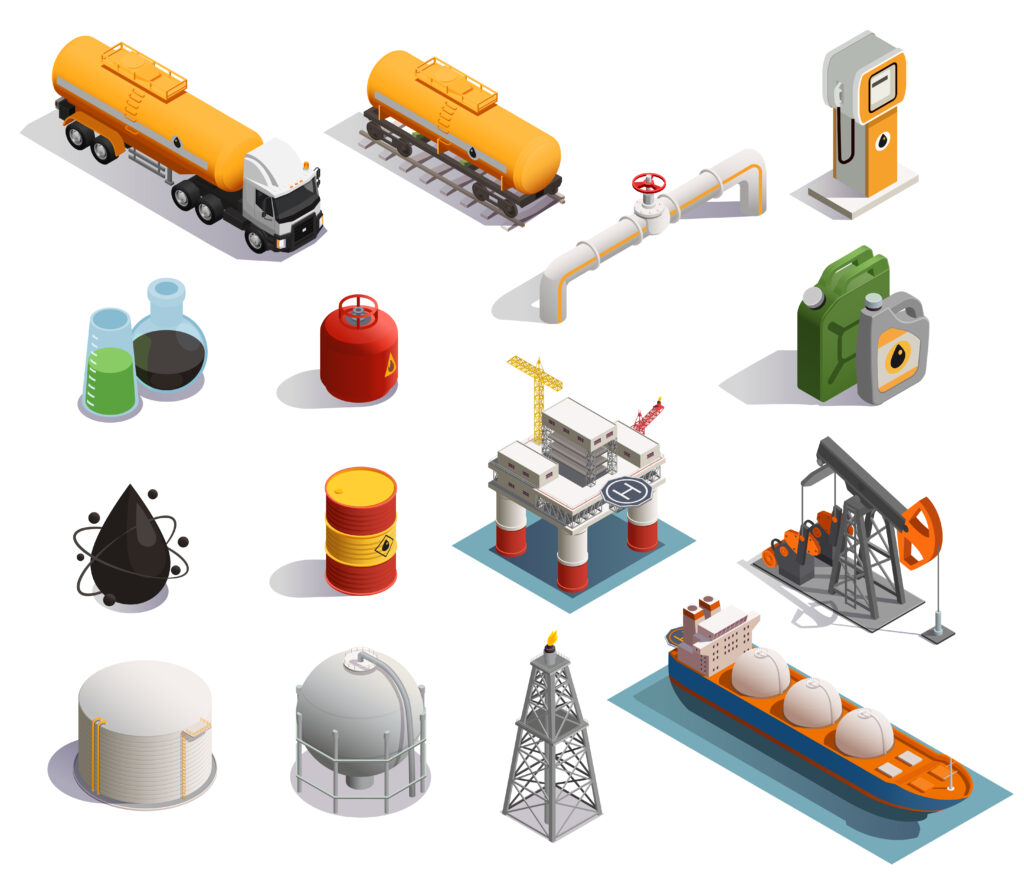
Bulk Delivery Optimization can make the difference between keeping tanks full and facing costly fuel shortages during peak demand periods.
Have you ever wondered why some fuel distributors seem to handle busy seasons effortlessly while others struggle with delayed deliveries, emergency dispatches, and frustrated customers?
Whether it’s summer travel season, winter heating demand, harvest time, or a sudden spike in fuel consumption, high-demand periods put enormous pressure on fuel supply chains. When storage tanks aren’t monitored properly or delivery schedules aren’t optimized, businesses can quickly find themselves running low on fuel when they need it most.
That’s where bulk delivery optimization becomes essential.
What Is Bulk Delivery Optimization?
Bulk delivery optimization is the process of planning, scheduling, and managing fuel deliveries to ensure tanks are replenished efficiently while minimizing transportation costs and avoiding stock outs.
The goal is simple:
- Deliver fuel at the right time
- Use delivery vehicles efficiently
- Prevent tanks from running empty
- Reduce emergency deliveries
- Improve customer satisfaction
For fuel distributors, fuel marketers, and commercial fuel users, optimization helps maintain a reliable fuel supply even during the busiest times of the year.
Why High-Demand Seasons Create Fuel Delivery Challenges
Demand isn’t always predictable.
Certain times of the year place extra stress on fuel distribution networks.
Common High-Demand Periods
- Summer travel season
- Winter heating fuel demand
- Agricultural harvest seasons
- Hurricane preparedness periods
- Holiday travel peaks
- Construction and industrial project surges
During these periods, fuel consumption can increase rapidly, making inventory management much more challenging.
A Real-World Example
Imagine a gas station located near a popular vacation destination.
During most of the year, deliveries may only be needed twice per week.
But during summer travel season, fuel sales can double or even triple.
Without proper bulk delivery optimization, tanks may run dangerously low before the next scheduled delivery arrives.
How Bulk Delivery Optimization Prevents Tank Runouts
Running out of fuel isn’t just inconvenient. It can hurt revenue, damage customer trust, and disrupt operations.
Key Benefits of Optimized Deliveries
Real-Time Tank Visibility
Modern tank monitoring systems provide accurate fuel level data around the clock.
Better Demand Forecasting
Historical usage patterns help predict future fuel needs.
Smarter Scheduling
Deliveries are planned based on actual consumption rather than fixed schedules.
Reduced Emergency Deliveries
Fewer last-minute dispatches mean lower operating costs.
Why This Matters
Emergency deliveries often cost significantly more than planned deliveries because they require immediate action, overtime labor, and inefficient routing.
Bulk Delivery Optimization Improves Route Efficiency
Fuel transportation costs continue to rise.
Every extra mile impacts profitability.
Today’s route optimization tools help distributors:
- Reduce drive times
- Improve truck utilization
- Increase delivery capacity
- Lower fuel consumption
- Reduce vehicle wear and tear
Think of It Like This
Imagine running errands across town.
You could make five separate trips throughout the day.
Or you could plan your route and complete everything in one efficient loop.
Fuel distributors face the same challenge every day across dozens or even hundreds of delivery locations.
Optimized routing simply helps them work smarter.
The Role of Tank Monitoring in Bulk Delivery Optimization
One of the biggest advancements in fuel logistics is remote tank monitoring.
Instead of relying on manual inspections, companies can track inventory levels in real time.
Benefits of Remote Tank Monitoring
- Instant inventory visibility
- Automatic low-level alerts
- Improved forecasting accuracy
- Reduced human error
- Better delivery planning
For businesses with multiple fuel storage tanks, remote monitoring provides a clearer picture of inventory across all locations.
Why Fuel Demand Forecasting Matters
Accurate forecasting is at the heart of successful bulk delivery optimization.
Companies that understand demand patterns can make better decisions before problems arise.
Factors That Impact Fuel Demand
- Weather conditions
- Seasonal travel trends
- Local events
- Economic activity
- Agricultural operations
- Construction projects
Using historical data and predictive analytics helps distributors stay ahead of demand spikes.
How Bulk Delivery Optimization Supports Customer Satisfaction
Customers rarely think about fuel logistics until something goes wrong.
When fuel deliveries arrive on time:
- Operations continue smoothly
- Equipment stays running
- Retail fuel locations remain stocked
- Emergency situations are minimized
Reliable service creates stronger customer relationships and long-term loyalty.
Technology Is Making Bulk Delivery Optimization Smarter
Technology continues to transform fuel supply chain management.
Some of the most impactful tools include:
GPS Fleet Tracking
Provides real-time visibility into delivery vehicles.
Automated Scheduling Software
Helps dispatchers prioritize deliveries based on tank levels and demand forecasts.
Predictive Analytics
Identifies potential shortages before they occur.
Cloud-Based Inventory Management
Allows teams to monitor fuel inventory from virtually anywhere.
These tools help fuel distributors make faster and more informed decisions during high-demand seasons.
Best Practices for Bulk Delivery Optimization During Peak Demand
Businesses looking to improve delivery performance should focus on a few key areas.
Monitor Tank Levels Continuously
Real-time visibility reduces surprises.
Review Historical Usage Data
Past consumption patterns often reveal future trends.
Optimize Delivery Routes
Reduce unnecessary mileage and improve fleet productivity.
Improve Communication
Keep customers informed about delivery schedules and inventory status.
Prepare Contingency Plans
Have backup options ready for unexpected demand spikes or supply disruptions.
The Future of Bulk Delivery Optimization
As fuel distribution becomes more data-driven, companies will continue adopting technologies that improve visibility, forecasting, and operational efficiency.
Future trends include:
- AI-powered demand forecasting
- Advanced route optimization
- Automated inventory management
- Smart tank monitoring systems
- Connected fuel supply networks
Businesses that embrace these innovations will be better equipped to handle seasonal demand fluctuations while maintaining reliable service.
Frequently Asked Questions
What is bulk delivery optimization?
Bulk delivery optimization is the process of improving fuel delivery schedules, routes, and inventory management to ensure efficient and timely deliveries.
Why is bulk delivery optimization important during high-demand seasons?
Demand spikes increase the risk of fuel shortages, delivery delays, and emergency dispatches. Optimization helps prevent these issues.
How does tank monitoring improve fuel deliveries?
Tank monitoring provides real-time inventory data, allowing distributors to schedule deliveries before fuel levels become critically low.
What industries benefit from bulk delivery optimization?
Fuel retailers, commercial fleets, agriculture, construction, manufacturing, and industrial facilities all benefit from optimized fuel deliveries.
How does route optimization reduce costs?
Route optimization minimizes travel time, fuel consumption, labor costs, and vehicle wear while increasing delivery efficiency.
Can bulk delivery optimization improve customer satisfaction?
Yes. Reliable fuel deliveries help businesses avoid disruptions, maintain operations, and provide a better customer experience.
Final Thoughts
High-demand seasons bring unique challenges to fuel distributors, retailers, and commercial fuel users. By leveraging real-time tank monitoring, accurate demand forecasting, smarter routing, and modern fuel management tools, businesses can improve reliability, reduce costs, and avoid costly fuel shortages. In today’s competitive fuel market, Bulk Delivery Optimization is no longer optional—it’s a critical strategy for maintaining efficient operations and keeping tanks supplied when demand is at its highest. Bulk Delivery Optimization.
